The old way of doing business is dying.
But the new way hasn’t been born yet.
What will be your role in this transformation?
And, more importantly, who do you want to become?
Let’s get back to basics.
Humans are the decisions they make. Whether it’s getting kicked out of the Garden of Eden, building a generational business, or becoming infamous for fraud, humans are constantly making decisions that define who we are as individuals. But are you making decisions blindly, or are you moving through the world with purpose? Are you choosing the right opportunities, the right teams, the right customer? Those are the kinds of questions we answer, and it all starts with you.
-
Nature speaks in patterns, similar to our intuition. But time and time again, we’ve been told to ignore our intuition and trust something else instead. To counteract this, we validate your intuition so you can learn to trust it again, and reconnect with a more natural way of being.
-
If business is going to be regenerative, sustainable, and productive in spite of whatever is happening in the world, then we have to go back to regenerative systems — which is just a fancy way of saying “see things as they are and treat them accordingly.”
-
That was the invitation carved into stone when someone visited the Oracle of Delphi, and it’s an invitation that holds true now more than ever. If you are to survive the end of life/business as we know it, you must first know yourself. Everything else is secondary.
The adventure starts here:
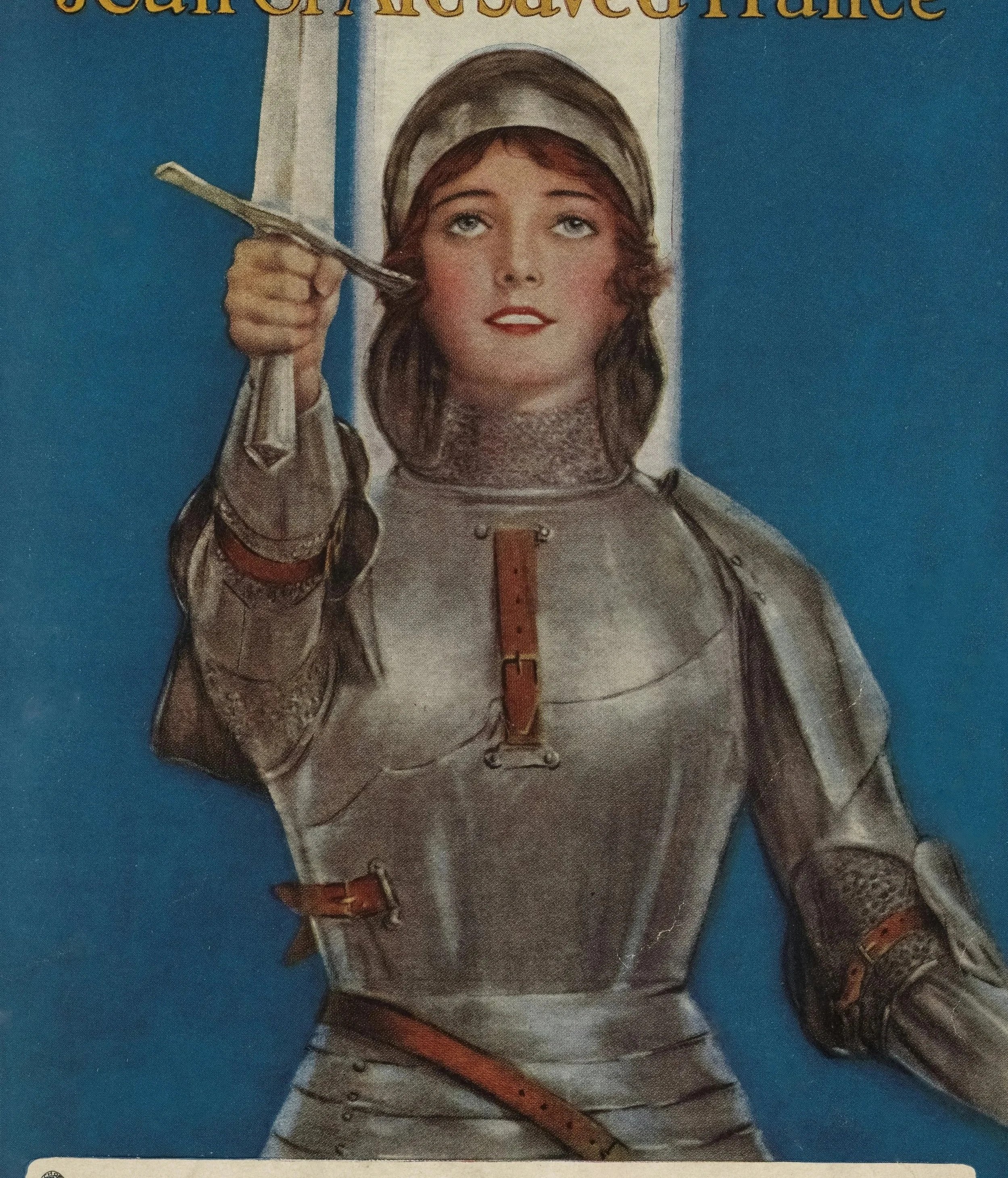
The Self-Martyr Test
This is one of the most important metrics for understanding if you are subconsciously holding yourself back, telling others you’ll settle for less, or running the risk of getting stuck on a sinking sink because saying no feels so wrong. But the best way to regain control of your future is to understand why you lost it to begin with. Subscribe below to find out. We don’t store your data, track your activities, or share any of your information with anyone else (because we don’t have it and neither does an AI.)
From Amber & Christopher at Stealth Dog Labs. We measure what others miss. Unsubscribe anytime.
Then We’ll Unravel Six Other Mysteries About The Self
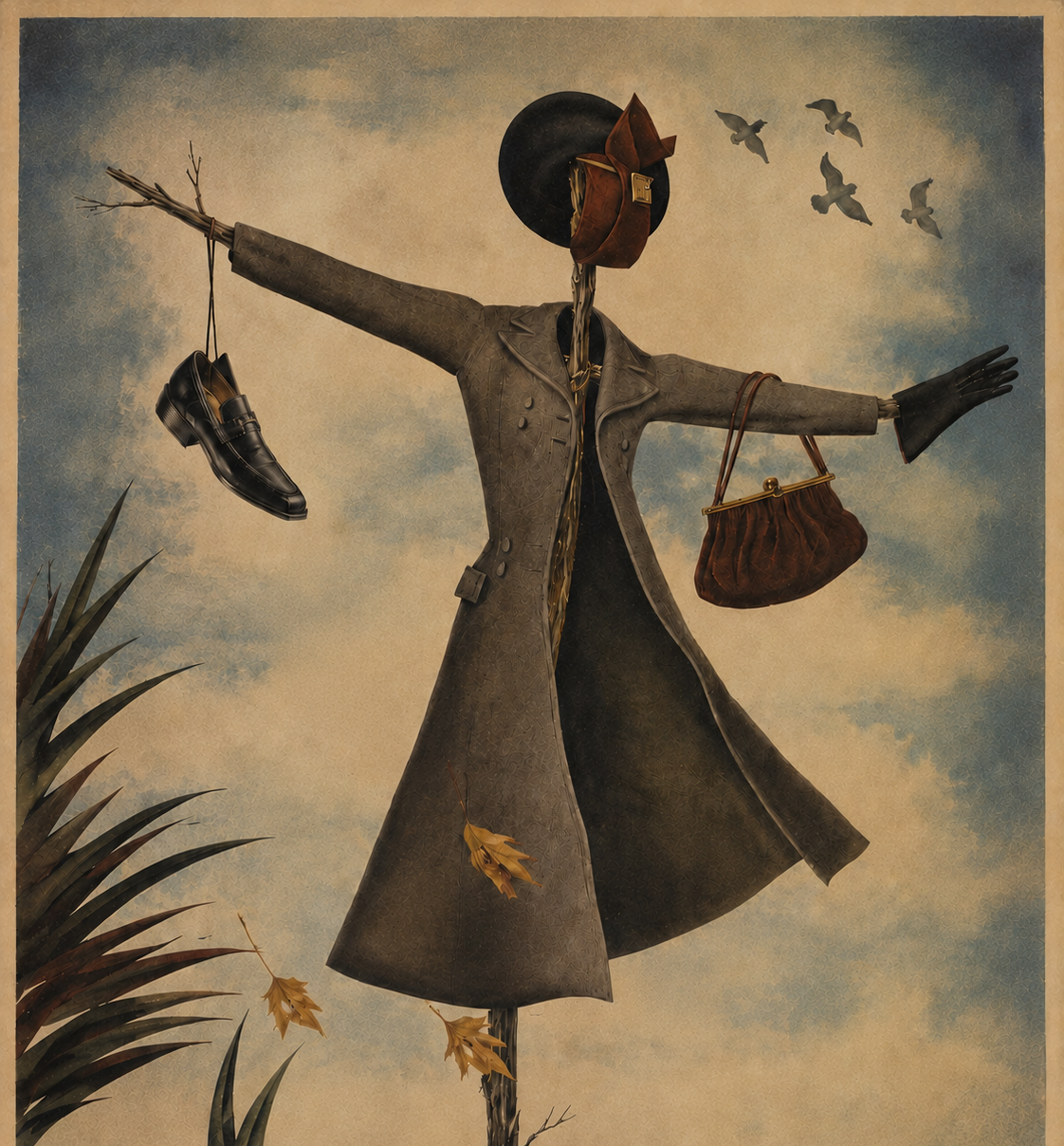
The Cloak of Invisibility
Do you feel invisible in your own life? Well, is your language prompting everyone to ignore what you say? (While the worst ideas you’ve ever heard play out exactly as the prophecy foretold.)
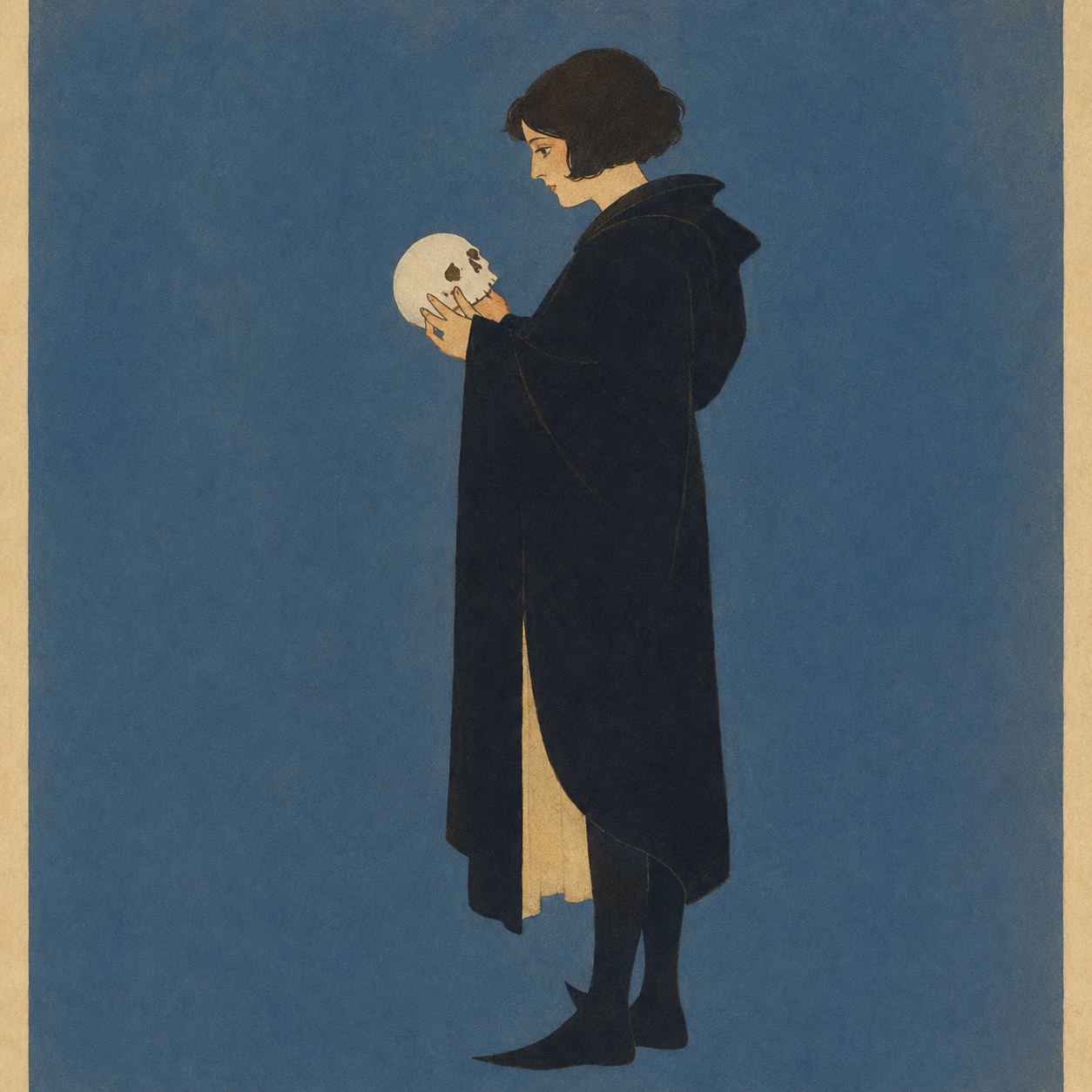
The Mental Situationship
Are you quietly undermining your best ideas because you’re not confident that they’re “the one?” (We’ll tell you why you can’t commit and why it’s holding you back.)
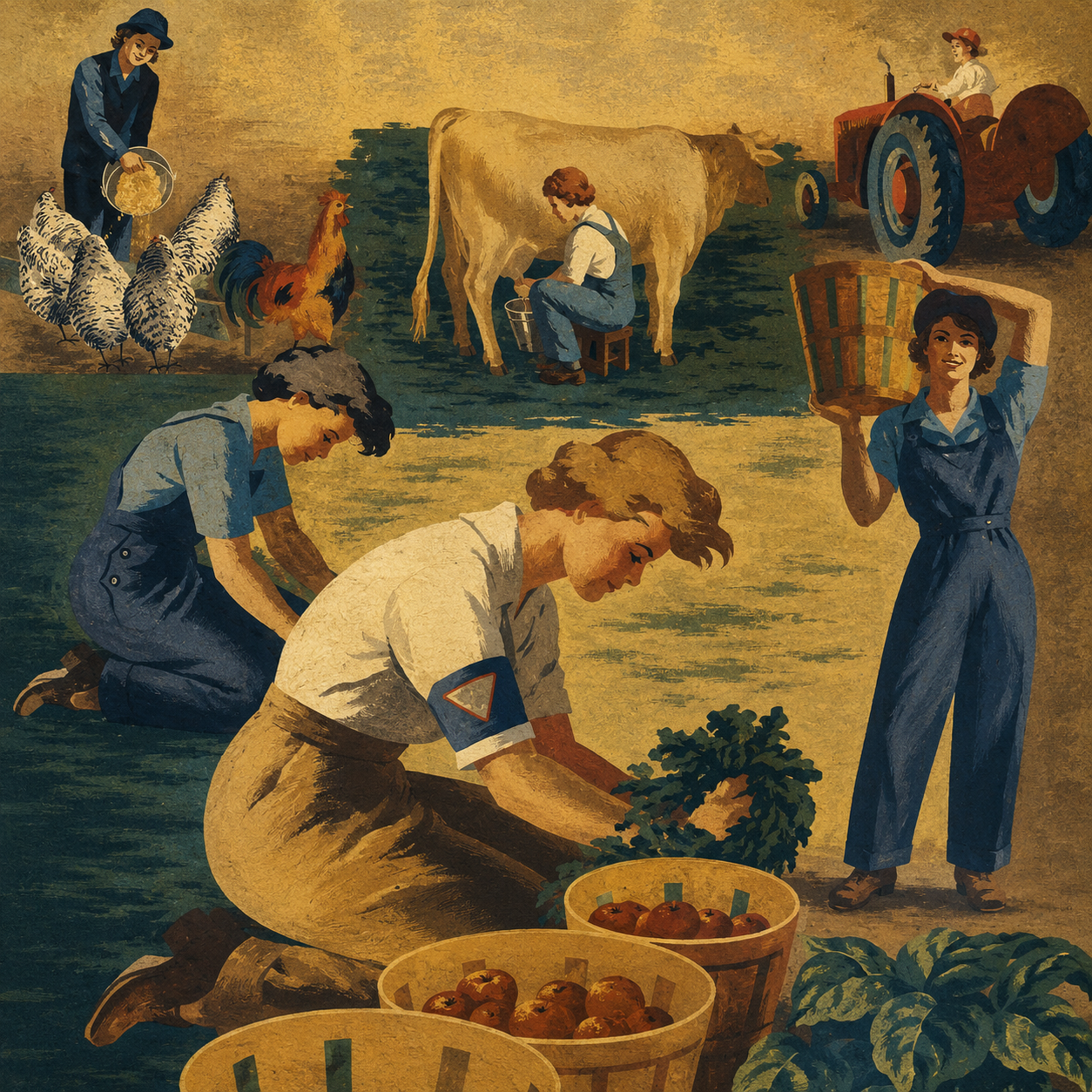
The Homestead Fantasy
Do you really want to drop everything, move to the middle of nowhere, and start growing tomatoes, or are you simply burned out? (I promise you, raccoons are the devil and there is always a problem.)
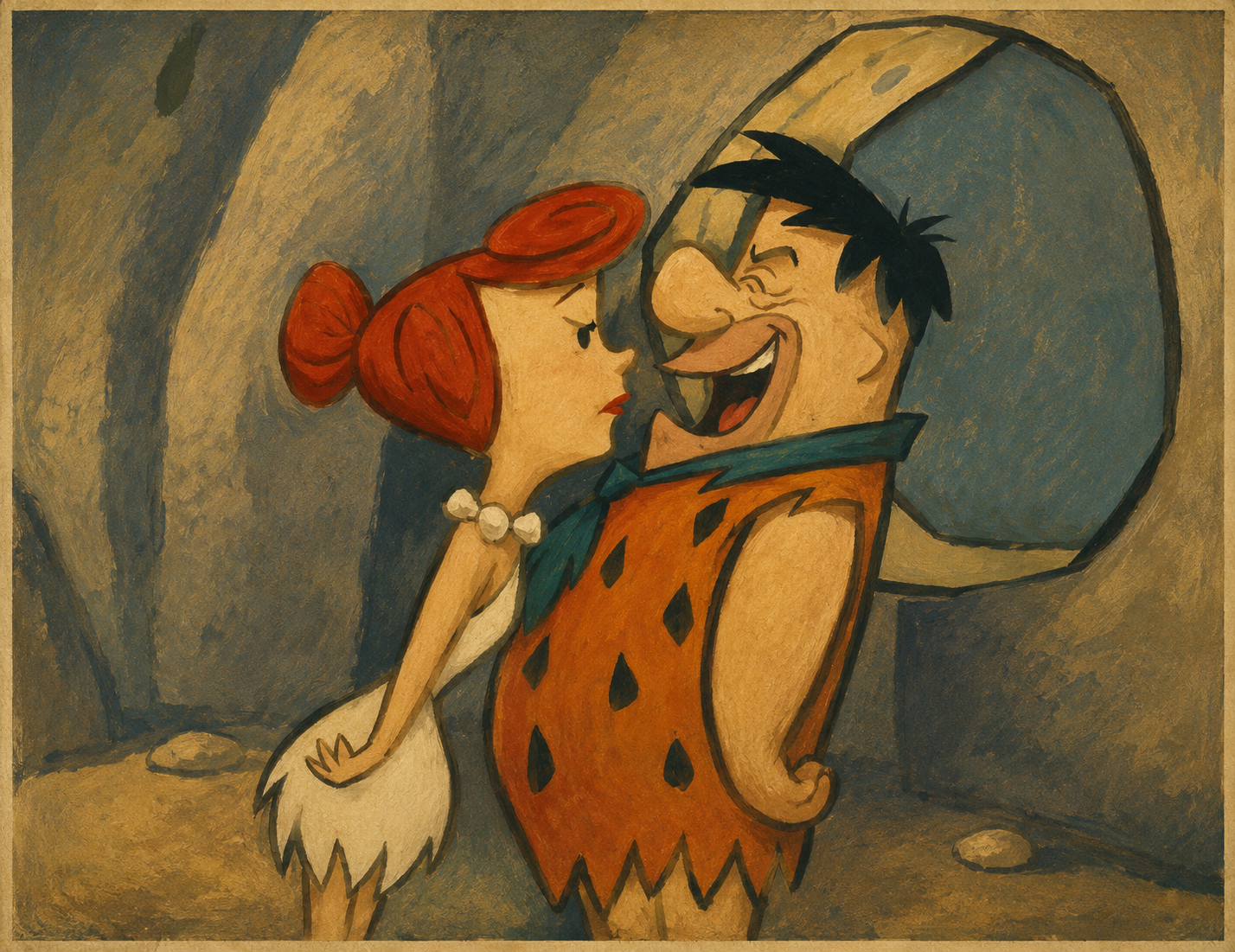
The Fred Flintstone
Are you a big thinker, capable of leading a company/team into the future, or are you somehow stuck in the Stone Age without realizing it? (Yes, we can measure that.)
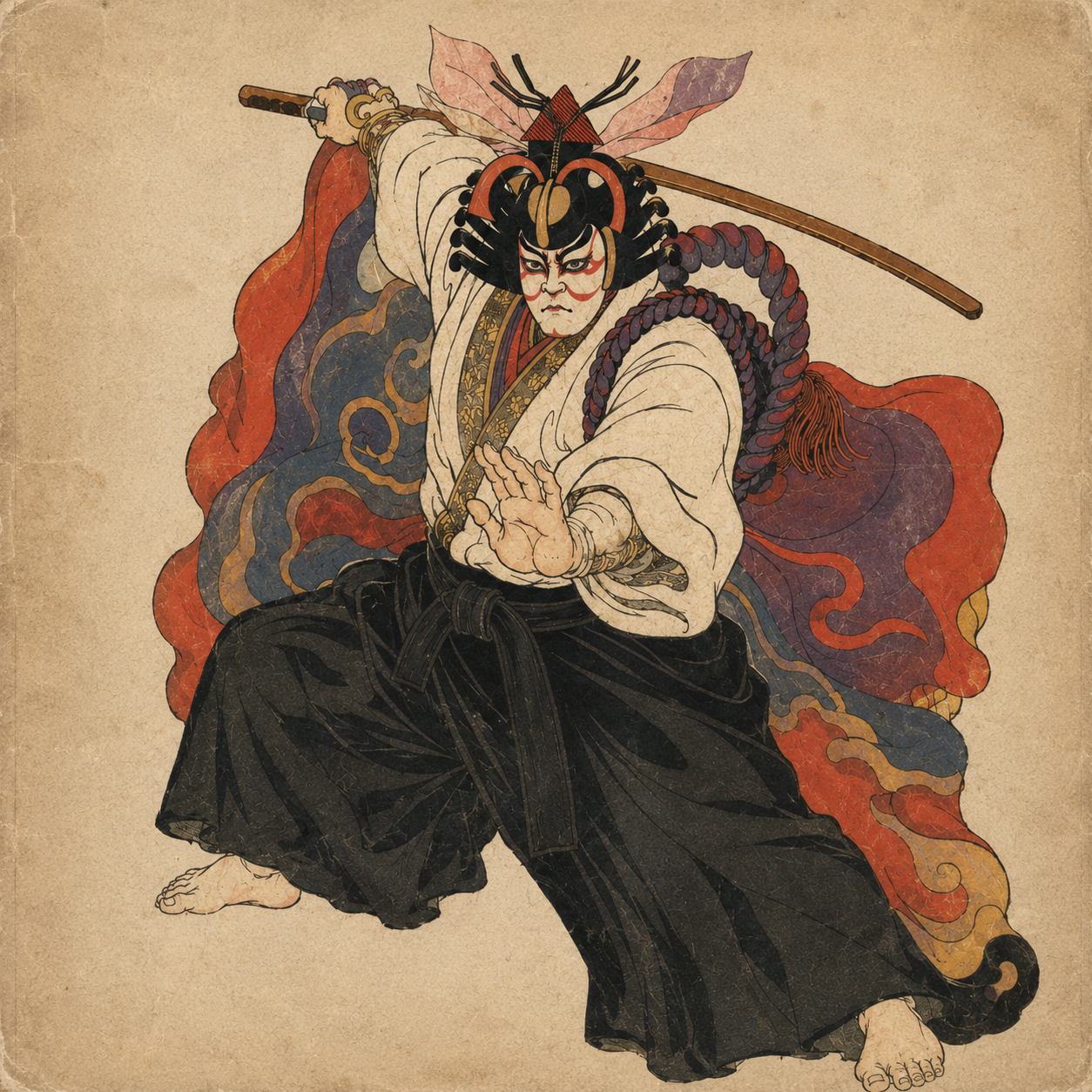
The Black Belt in Aikido
Are you seen as a master deflector by the people around you, dodging accountability like a character from The Matrix, or are you viewed as someone who takes responsibility and owns their mistakes?
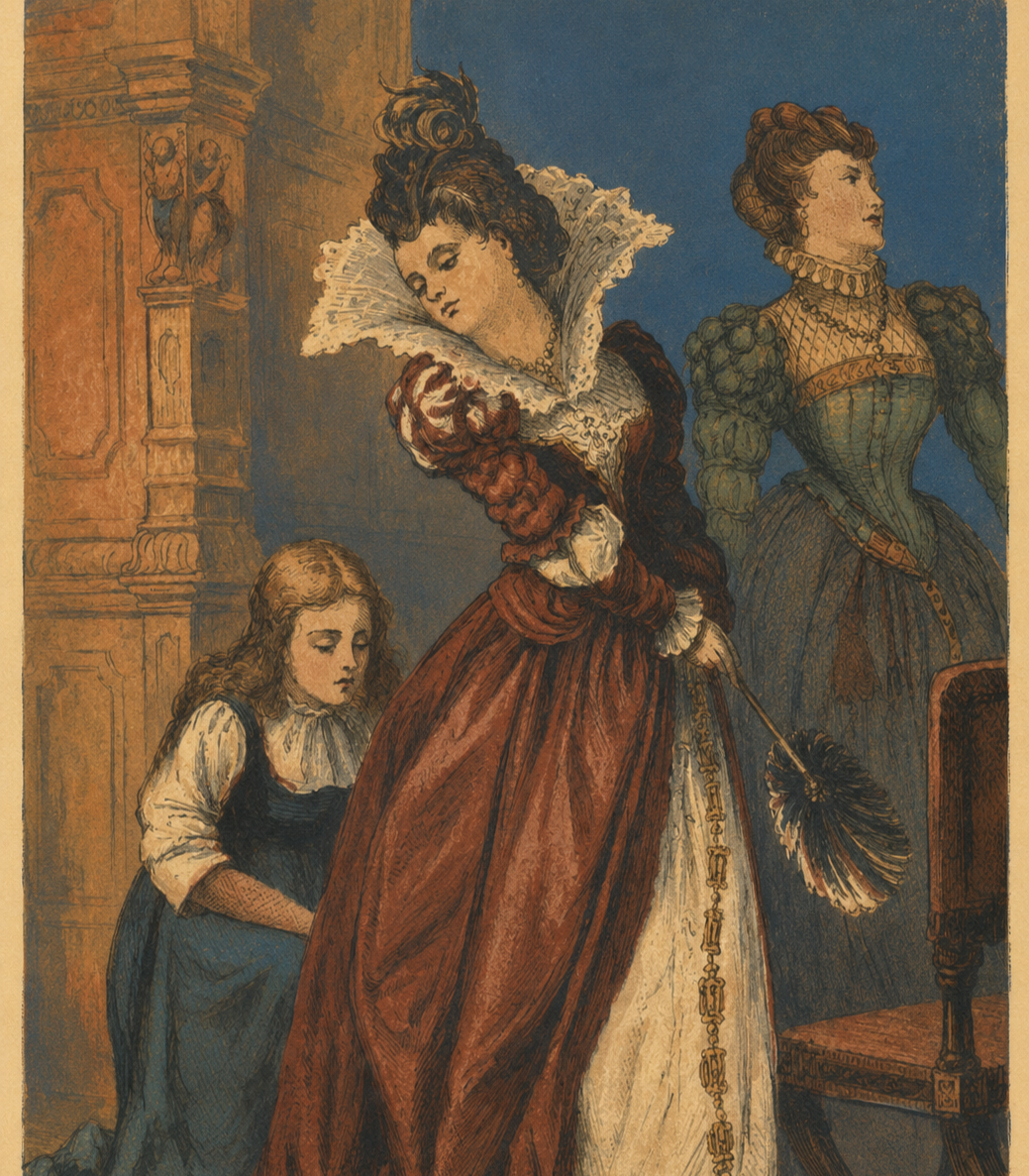
The Million Dollar Question
As a woman, how do you present yourself as a leader? Super aggressive b*tch, weak and emotional, or perfectly balanced? (And if you have a female boss, are you being abused?)
The answers to these questions will help you control your future, instead of being a victim of it.
About Us
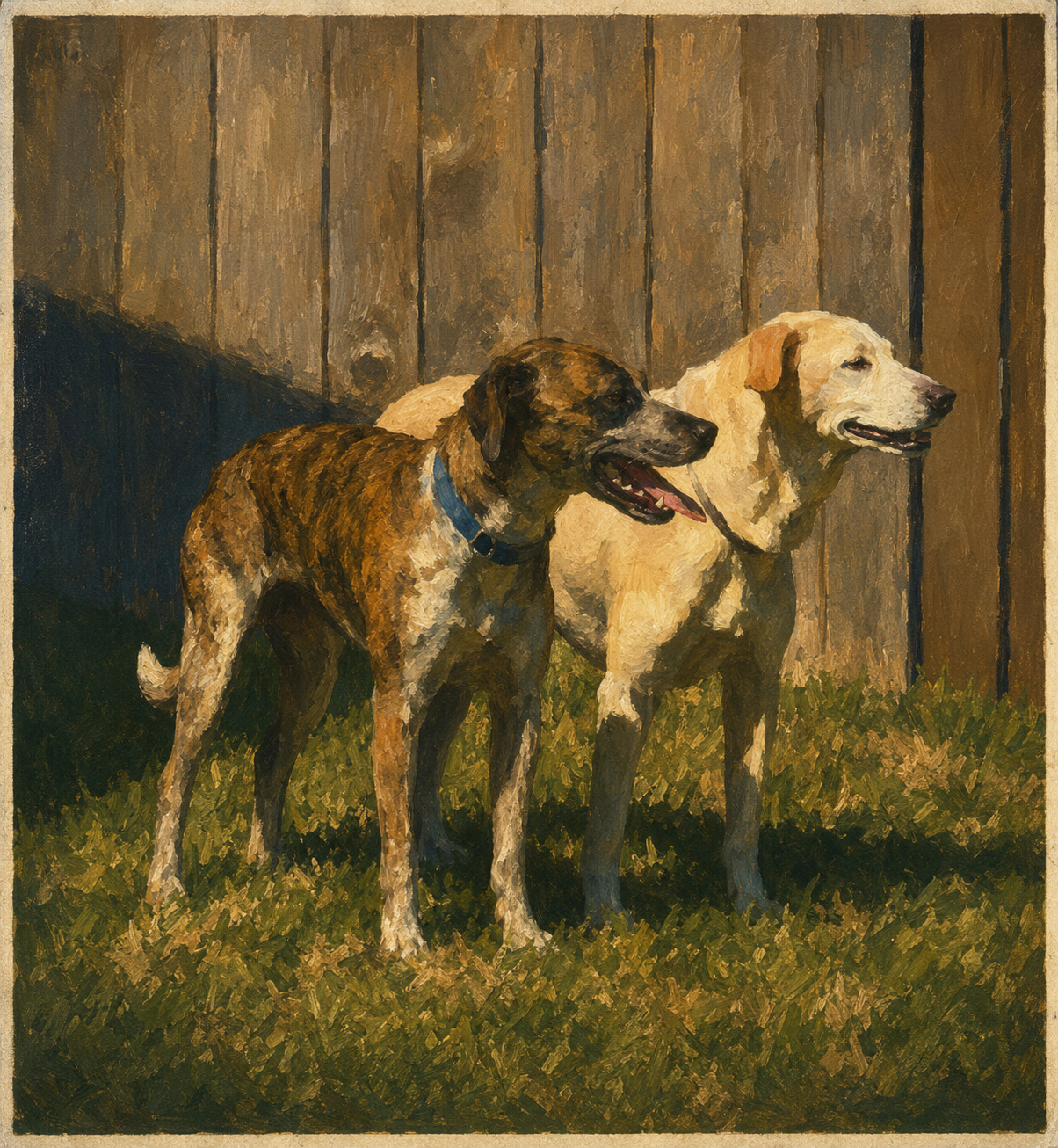
An abstract mathematician, a Renaissance woman, and two not-too-stealthy rescue dogs.
Our Secret Sauce
150 Years of Research
No, we’re not vampires, but our work is based on an incredible amount of work, spanning over 5.2 million citations.
Business Transformation
We’ve spent decades helping businesses succeed, but the real key to success is understanding people, right down to yourself.
A New Philosophy
We’re not therapists. We’re operating from a different philosophy of what makes business (and people) great.